Start here · Operatory · 19 entries
The operatory
The operatory is the treatment room: the chair, the light, the delivery unit with the handpieces, the cabinets and the sink. Once you know what each part is called and where it usually sits, it is much easier to follow what the dentist or hygienist asks for.
Working chairside has its own map, too. Teams describe positions around the patient's head like the face of a clock, and divide that space into zones for the operator, the assistant, passing instruments and the tray. This section covers the parts of the room, the clock and zones, and the basic skills of seating a patient, placing suction and passing instruments.
Parts of the operatory
What is in the room and what each part is called.
-
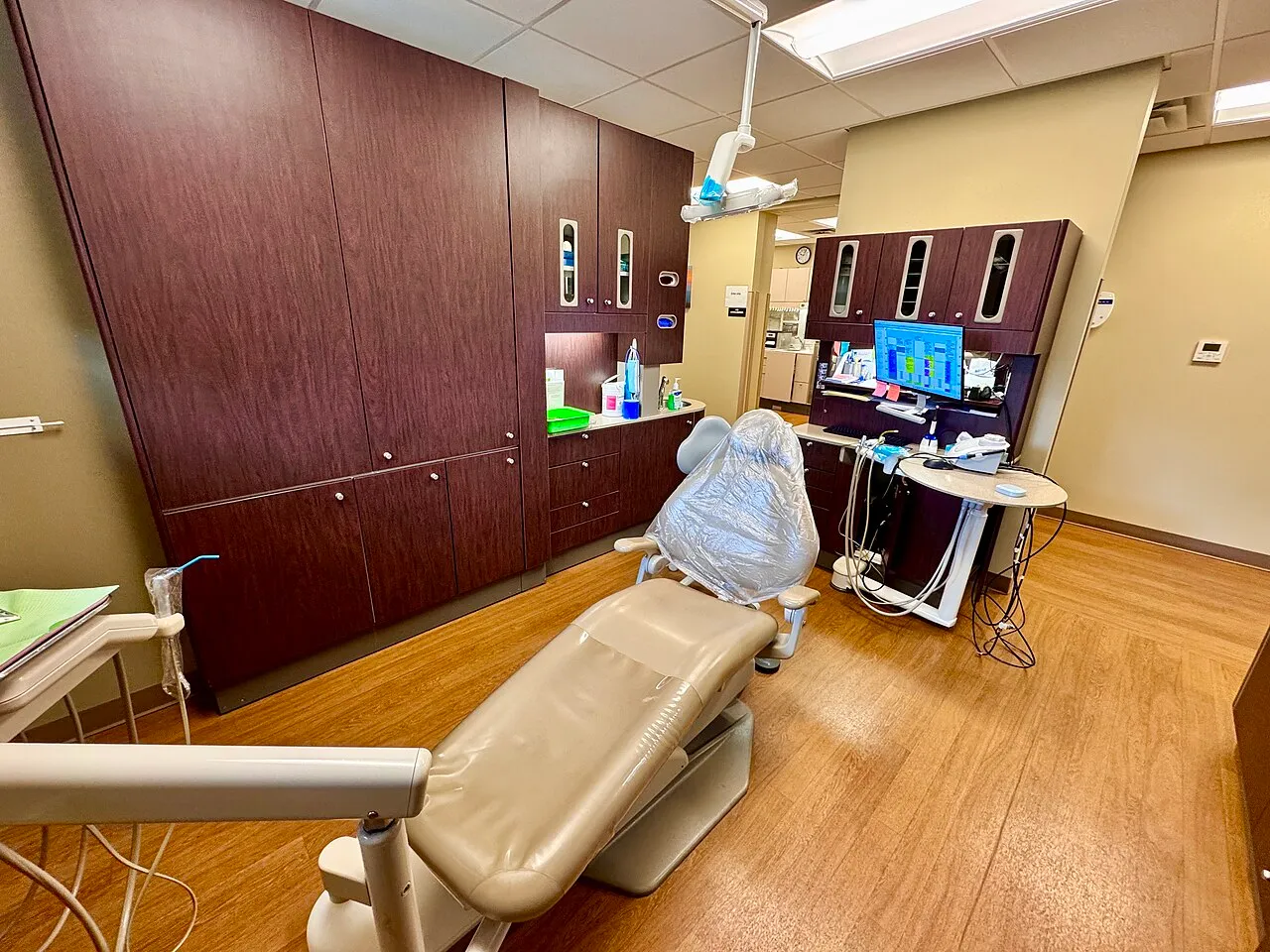 The operatory (treatment room)
The room where patients are treated, built around the dental chair.
The operatory (treatment room)
The room where patients are treated, built around the dental chair.
-
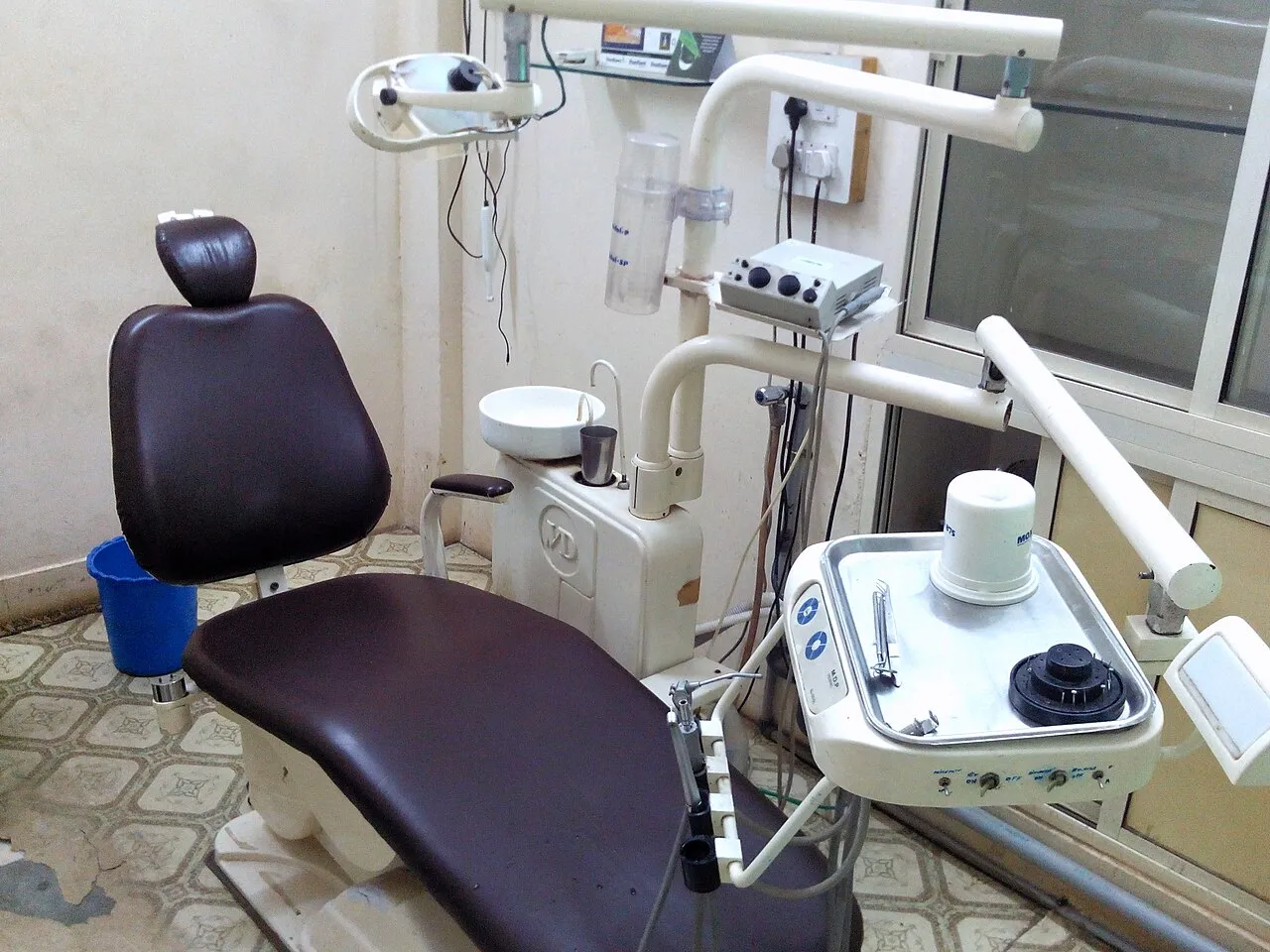 Parts of the dental chair
Headrest, backrest, seat, armrests, base and controls.
Parts of the dental chair
Headrest, backrest, seat, armrests, base and controls.
-
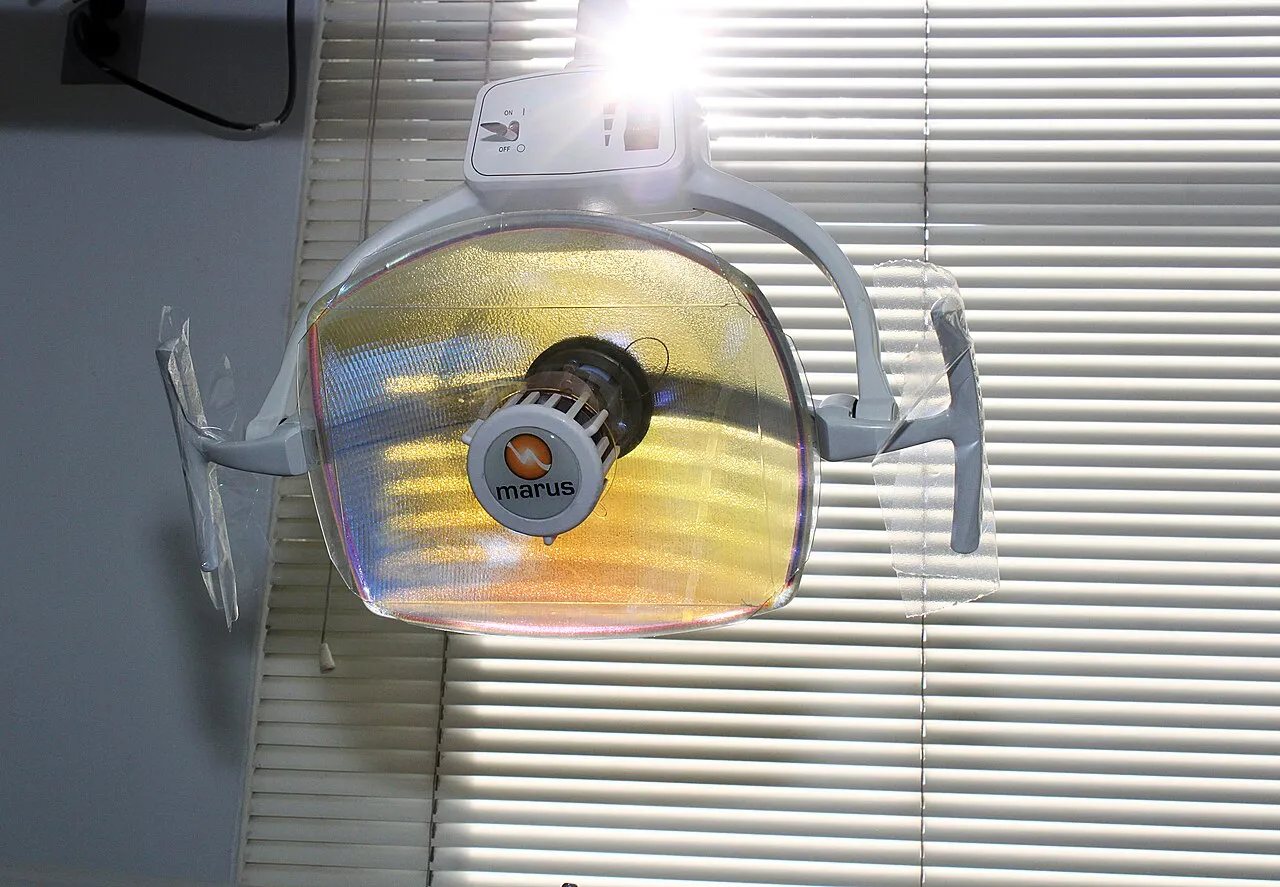 The operatory light
The adjustable lamp that lights up the mouth.
The operatory light
The adjustable lamp that lights up the mouth.
-
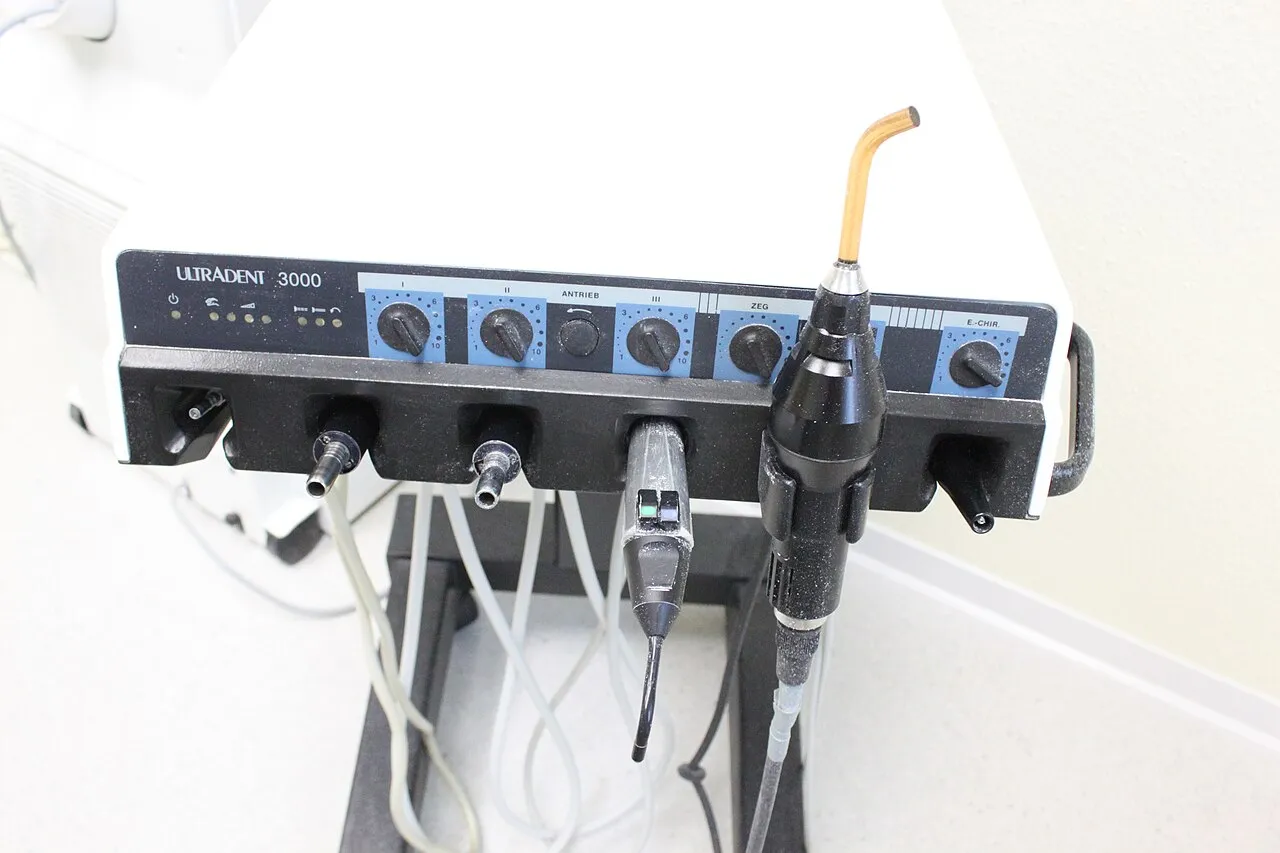 Delivery systems: rear, side, over-the-patient
Where the handpieces and syringe sit: behind, beside or over the patient.
Delivery systems: rear, side, over-the-patient
Where the handpieces and syringe sit: behind, beside or over the patient.
- The assistant's side The suction, syringe and supplies within the assistant's reach.
- Cabinets and sink Storage for supplies and a sink for handwashing.
-
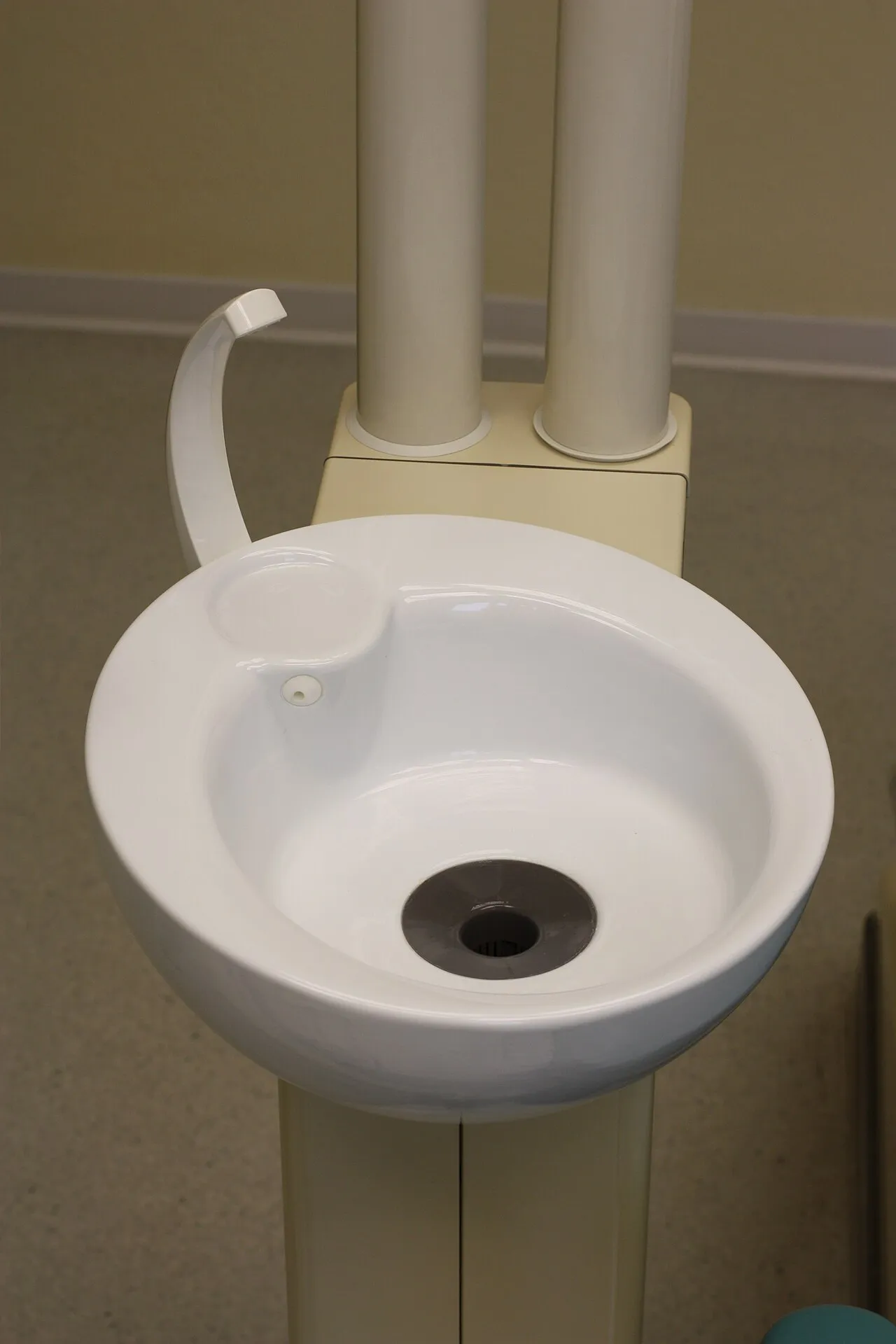 Cuspidor
The small bowl on some units where patients spit.
Cuspidor
The small bowl on some units where patients spit.
Clock positions and zones
How the team describes where everyone sits and where things go.
- Clock positions Positions around the patient described like the face of a clock.
- Operator's zone Where the dentist or hygienist sits: about 7 to 12 o'clock (right-handed).
- Assistant's zone Where the assistant sits: about 2 to 4 o'clock (right-handed operator).
- Transfer zone Where instruments are passed: about 4 to 7 o'clock (right-handed operator).
- Static (set-up) zone Where the tray and equipment wait: about 12 to 2 o'clock (right-handed operator).
- Zones for a left-handed operator Everything flips: the mirror image of the right-handed layout.
Basic chairside skills
Seating and dismissing patients, suction and passing instruments.
- Seating the patient Get the room ready, help the patient in, and tell them before the chair moves.
- Dismissing the patient Raise the chair slowly and let the patient sit a moment before standing.
- Placing the HVE Hold the big suction close to the work to catch water and spray at the source.
-
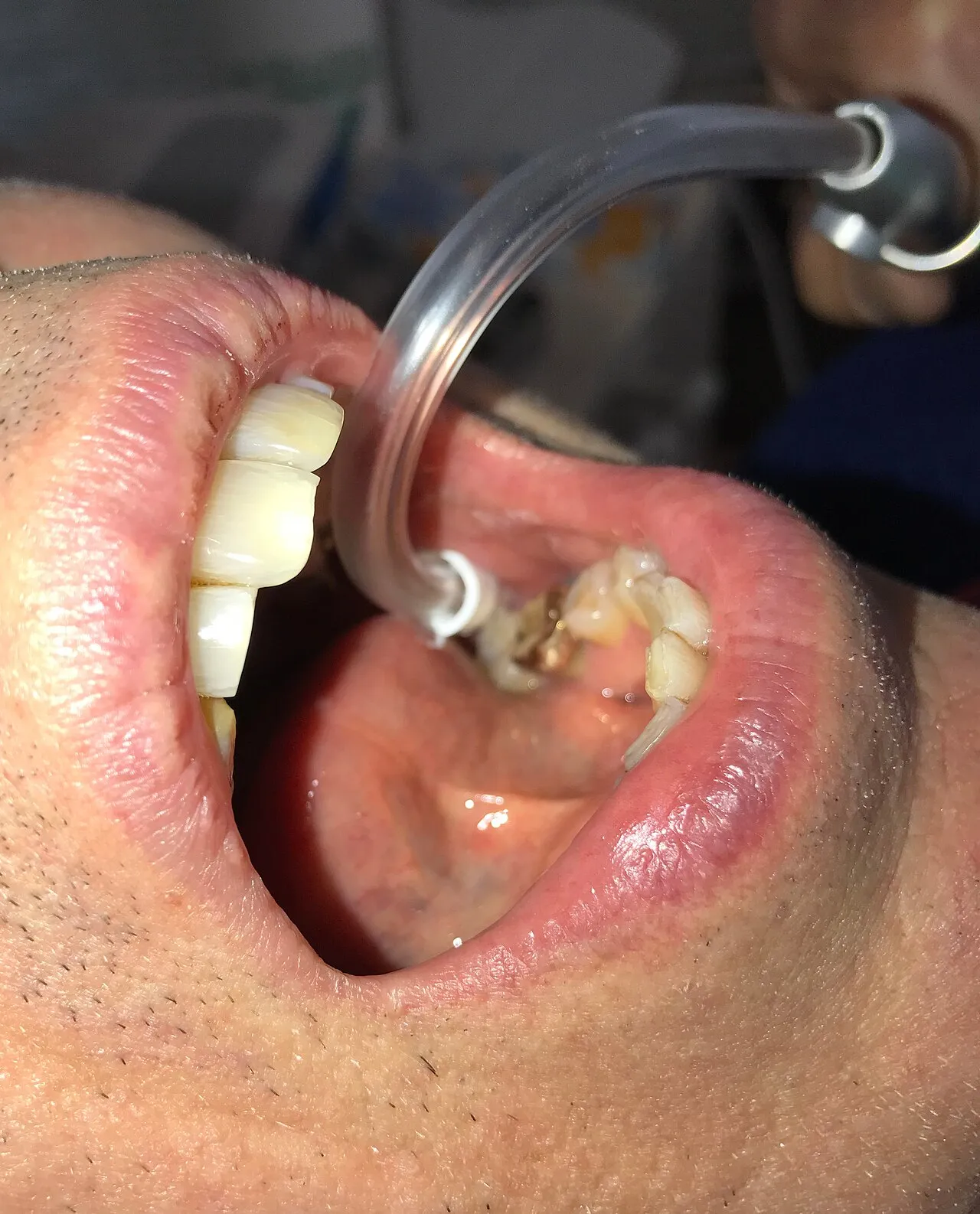 Placing the saliva ejector
Bend the tip to rest under the tongue on the side away from the work.
Placing the saliva ejector
Bend the tip to rest under the tongue on the side away from the work.
- Passing instruments Pass and receive instruments smoothly in the transfer zone, never over the face.
- Four-handed dentistry basics Operator and assistant work as a seated team to save motion and time.
No matches. Try another word, or browse the groups above.