Atlas · Plate XVI · Clinical Services
Supportive Treatment Services
Supportive treatment services are the procedures that surround restorative and periodontal care: knowing how dental materials behave, polishing restorations safely, taking alginate impressions and pouring study models, managing dentin hypersensitivity and guiding tooth whitening. A hygienist works around these materials every day, even when someone else placed them.
On the NBDHE, supportive treatment is its own clinical services subarea. Questions favor practical handling: which material releases fluoride, why alginate must be poured quickly, which gypsum type makes a study model, how water temperature changes setting time, how potassium nitrate differs from tubule blockers, and what carbamide peroxide breaks down into.
Blueprint Provision of Clinical Dental Hygiene Services · Providing supportive treatment services · 31 facts

In this plate, we cover
01 · 9 facts
Restorative materials
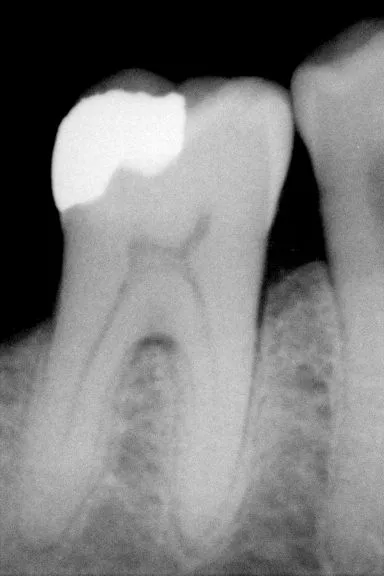
Amalgam combines about 50% mercury with a silver, tin and copper alloy and can be polished after 24 hours. Composite is a resin matrix, filler and silane coupling agent that shrinks as it cures in about 2 mm layers. Glass ionomer bonds chemically and releases fluoride. Zinc oxide-eugenol soothes the pulp but blocks composite curing.
- Dental amalgam is about 50% mercury combined with a silver, tin and copper alloy; high-copper alloys resist corrosion and creep.T2
- Amalgam can be polished 24 hours or more after placement.T2
- Composite resin = resin matrix (e.g., Bis-GMA), inorganic filler, and a silane coupling agent; it shrinks as it polymerizes.T2
- Composites are light cured in increments of about 2 mm.T2
02 · 10 facts
Impressions and study models
Alginate is mixed for about 30-60 seconds and sets faster in warm water. Because it loses and gains water, rinse, disinfect and pour it within about 15 minutes. Take the mandibular impression first. Study models use Type II model plaster, and extra water makes a weaker cast. Polyvinyl siloxane is the most dimensionally stable elastomer.
- Alginate (irreversible hydrocolloid) mix time about 30-60 s; working time about 1-2 min; regular set 2-4.5 min, fast set 1-2 min.T2
- Cold water slows alginate setting; warm water speeds it.T2
- Alginate loses water (syneresis) and gains water (imbibition), so pour it as soon as possible (within about 15 minutes).T2
- Take the mandibular impression first (less gag); seat the maxillary tray from posterior to anterior with the patient leaning forward.T2
03 · 7 facts
Desensitization and whitening
Dentin hypersensitivity is short, sharp pain from exposed dentin, diagnosed by ruling out caries and cracks. Potassium nitrate calms the nerve over 2-4 weeks, while stannous fluoride, arginine, oxalates and varnishes block tubules. In whitening, 10% carbamide peroxide yields about 3.5% hydrogen peroxide; sensitivity and gingival irritation are the usual side effects, and restorations do not lighten.
- Dentin hypersensitivity: short, sharp pain from exposed dentin, triggered by cold, air, touch or sweets; diagnose by ruling out caries, cracks and leaks.T2
- Potassium nitrate 5% (toothpaste) depolarizes nerve fibers; it takes about 2-4 weeks of use.T2
- Tubule blockers: stannous fluoride, arginine with calcium carbonate, oxalates, strontium, fluoride varnish, resin sealers, GLUMA (glutaraldehyde/HEMA).T2
- Abrasive toothpaste plus aggressive brushing can worsen sensitivity; recommend a soft brush and low-abrasion paste.T2

04 · 5 facts
Other supportive services
Other supportive tasks include digital impressions with intraoral scanners, suture removal at about 7-10 days (cut close to the tissue so the contaminated part never passes through it), and custom fluoride trays and mouthguards made on study casts. Teach denture wearers to remove the appliance at night, clean it daily with a nonabrasive cleaner and store it in water.
- Intraoral scanners make digital impressions without trays or gypsum.T2
- Remove sutures usually 7-10 days postop; cut close to the tissue and pull through so the contaminated part does not pass through tissue.T3
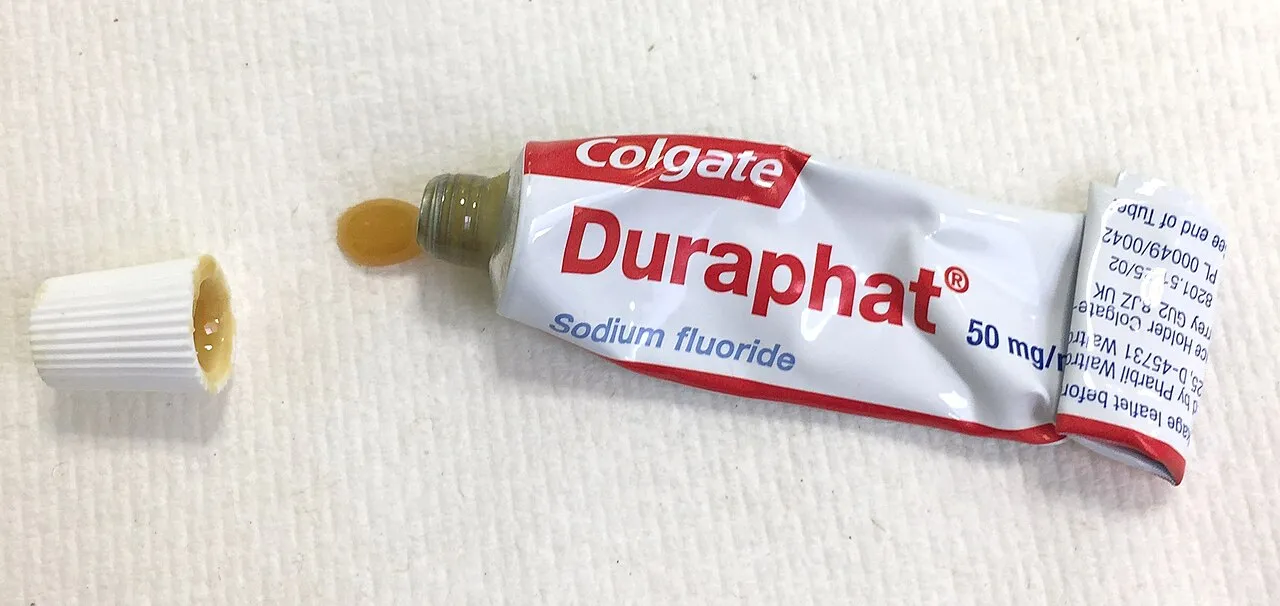
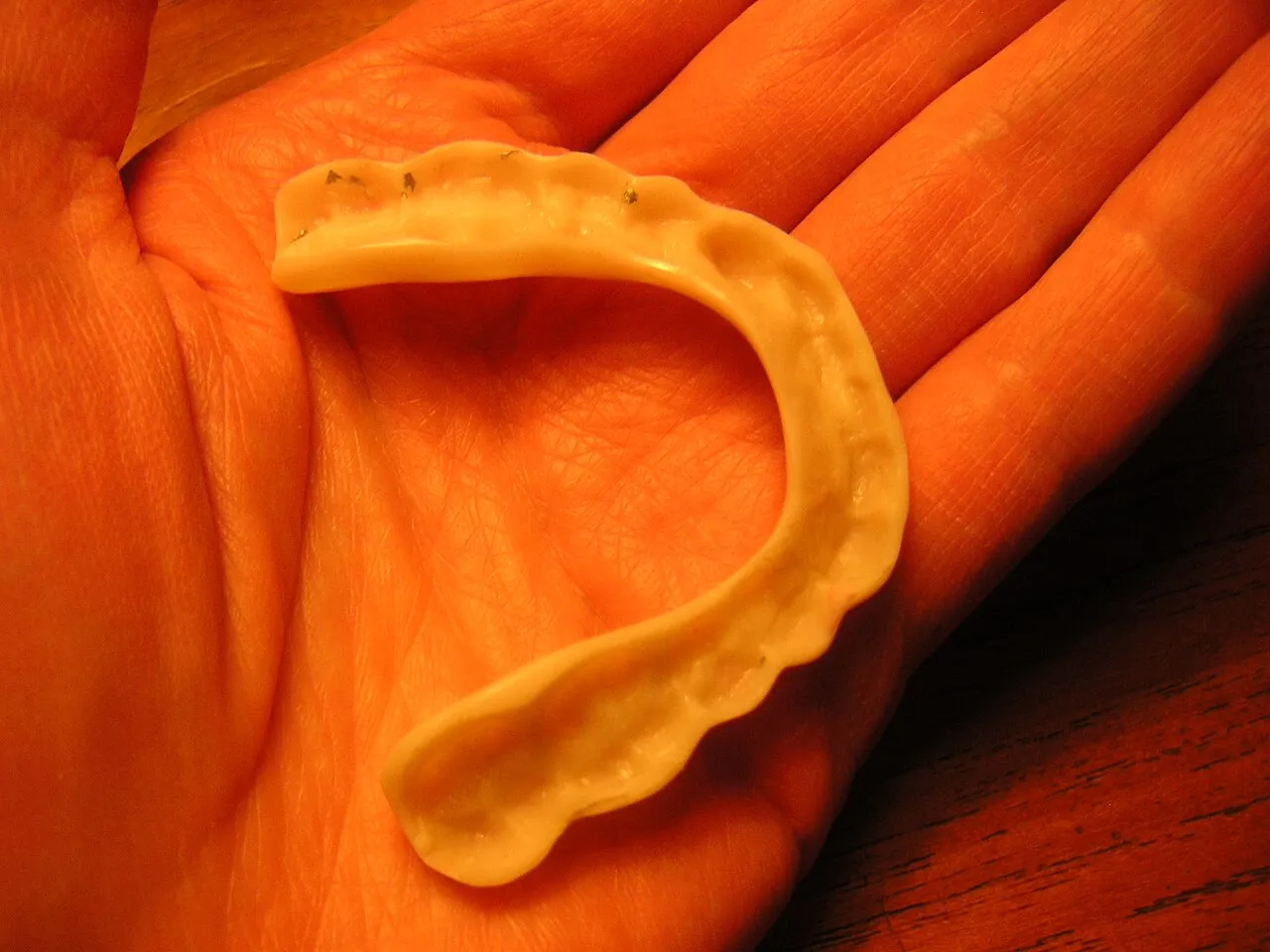
- Mouthguards and fluoride trays are made on study casts; custom fluoride trays are used for radiation patients.T2
- Denture care: remove nightly, clean daily with a denture brush and nonabrasive cleaner, store in water; examine tissues annually.T2
.jpg)